Why Buy Bulk Fiber Optic Cable for Global Projects?
Global connectivity is expanding, but network construction remains constrained by cost, timing, and material availability. The International Telecommunication Union reported 5.4 billion people online in 2023. That figure represents about two-thirds of the world’s population. More users require more backbone capacity, data centers, rural links, and submarine connections.
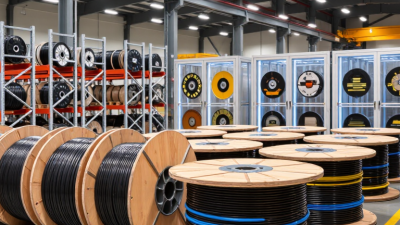
Charles K. Kao, the Nobel Prize-winning fiber-optics pioneer, stated, “The capacity of optical fiber is virtually unlimited.” His observation explains why fiber remains central to long-term infrastructure planning. However, capacity alone does not complete a project. Contractors also need consistent cable specifications, accurate drum lengths, reliable delivery, and verified testing records. Buying bulk fiber optic cable can support these requirements by reducing repeated purchasing cycles and creating uniformity across large routes. One shipment may arrive on wooden drums, ready for controlled installation across highways, campuses, or utility corridors.
The commercial case is not automatic. Bulk orders can reduce unit prices, freight costs, and emergency purchases, but poor forecasting may create unused inventory. That risk deserves attention. A responsible procurement plan should match cable types with route conditions, such as G.652.D for many backbone applications or G.657.A2 where tighter bends are expected. Buyers should also review attenuation, tensile strength, flame performance, warranty terms, and factory test documentation. TeleGeography’s global bandwidth research continues to show strong international capacity growth, reinforcing the need for scalable cable planning. Yet the cheapest reel is not always the safest choice. Project experience, supplier audits, and OTDR verification often protect budgets better than discounts alone.

What Bulk Fiber Optic Cable Means for Global Network Projects
Bulk fiber optic cable means more than ordering a large quantity. It means planning one connected system across borders, climates, and installation teams. For global network projects, cable selection affects capacity, deployment speed, maintenance, and long-term reliability. A project engineer must match fiber type, core count, jacket material, and flame performance with each route.
Field experience shows that shipping and storage can cause unexpected delays. Cable drums need dry, secure spaces and careful handling. Extreme heat, humidity, and rough roads can damage packaging before installation begins. Clear labeling helps crews identify lengths, fiber counts, and destination areas quickly. Small details matter.
Testing is equally important. Technicians should inspect attenuation, continuity, connector performance, and cable length before deployment. Acceptance records create evidence for future maintenance and audits. However, buying in bulk is not always cheaper. Excess inventory can age, occupy valuable storage, or become unsuitable after design changes. That assumption deserves scrutiny.
A dependable global plan includes spare lengths, compatible accessories, route documentation, and realistic delivery schedules. It also considers local installation skills and available testing equipment. Communication gaps remain a practical risk. One unclear specification can affect thousands of meters of cable. Careful coordination reduces that risk, although no plan removes every uncertainty.
How Bulk Purchasing Supports Large-Scale Fiber Deployment
Bulk purchasing gives large fiber deployment projects a steadier material supply. Instead of ordering small batches, project teams can reserve matching cable for multiple regions. This improves planning for backbone routes, campus networks, and rural connections. It also reduces repeated freight charges and emergency purchases. Small savings become significant.
In field projects, cable consistency matters. A single bulk order can maintain the same fiber count, jacket design, and performance specifications across sites. Engineers can compare test results more easily. They can also prepare one installation method for similar reels. Each reel should carry clear length, batch, and test records. Receiving teams can inspect packaging before storage. Damaged ends, crushed drums, or moisture exposure should never be ignored.
Bulk procurement also supports production scheduling. Suppliers can prepare longer runs, while contractors plan trenching and pulling crews around delivery dates. However, large orders need careful forecasting. A wrong estimate may leave expensive cable unused for years. That is a real weakness. Teams should review route surveys, spare percentages, bend-radius limits, and local storage capacity before committing. Optical tests, including attenuation and continuity checks, add confidence after delivery. Even then, communication between designers, buyers, installers, and inspectors must remain active. A spreadsheet cannot replace a site visit.
Why Buy Bulk Fiber Optic Cable for Global Projects?
Bulk purchasing helps large-scale deployments standardize cable specifications, coordinate logistics, and reserve enough material for installation waste and route changes.
The chart uses a transparent planning model: each route includes 5% spare cable, and one transport drum is estimated at 4 km of cable. Actual drum lengths, cable types, and spare requirements vary by project design and installation conditions.
Key Cost, Quality, and Logistics Benefits of Buying in Bulk
Global fiber projects rarely fail because cable is unavailable. They fail when cost, quality, and delivery decisions are made separately. Buying in bulk can reduce the unit price, especially when repeated routes use the same fiber count, jacket design, and drum length. It also stabilizes budgeting. A project team can compare one negotiated supply plan against dozens of smaller orders. That clarity matters when labor, permits, and installation windows are already expensive. Still, the cheapest reel is not always the lowest project cost.
Bulk purchasing improves consistency when specifications are fixed before production. Matching optical performance, tensile strength, bend radius, and sheath materials across shipments simplifies testing and splicing. Factory acceptance checks can cover samples from a larger production batch, while traceable records support inspections later. In field work, consistent drum markings and measured lengths prevent avoidable confusion. Small defects become costly at scale. A weak quality agreement can magnify them. Buyers should define tolerances, test reports, spare percentages, and replacement procedures in writing, rather than trusting informal assurances.
Logistics gains are practical. Consolidated shipments mean fewer customs files, fewer unloading appointments, and less warehouse handling. Project managers can reserve drums by route and release them in planned phases, reducing exposure to weather and theft. Yet bulk inventory needs disciplined storage. Moisture, poor stacking, or forgotten delivery dates can damage the savings. Demand forecasts may also be wrong; unused cable ties up capital and may not fit a later design. A sensible plan balances volume discounts with phased delivery, local inspection, and a small emergency reserve. That balance is often harder than the purchase order.
How to Choose the Right Bulk Fiber Optic Cable
Choosing bulk fiber optic cable starts with the route, not the reel price. The ITU Facts and Figures 2024 report counted 5.5 billion Internet users, representing 68% of the global population. OECD data from late 2023 showed fiber accounted for about 42% of fixed broadband subscriptions. This growth increases pressure on cable selection and future capacity. I have learned that “universal” cable rarely fits every project perfectly.
For long-haul and access networks, single-mode fiber is usually the practical choice. Specify G.652.D for standard outdoor routes, or G.657.A1/A2 where tight bends are unavoidable. Use multimode fiber only for shorter, controlled premises links. Check attenuation, dispersion, tensile strength, crush resistance, and operating temperature. Loose-tube designs suit wet and changing outdoor environments. Indoor routes may require low-smoke, halogen-free jackets and local fire certification. Confirm the cable diameter against ducts, trays, and pulling equipment. Leave spare fibers for growth, but calculate that growth carefully. Overbuying wastes capital. Underbuying can reopen roads. Require batch test records, optical loss limits, drum labels, and traceability before shipment. International projects often fail at interfaces, not glass quality.
Tips: Create a selection sheet covering route length, fiber count, bend radius, environment, fire class, and standards. Request OTDR traces and attenuation results at 1310 and 1550 nanometers. Verify IEC 60794 compliance, then check destination-country requirements. A report can be valid yet incomplete. Compare total installed cost, not cable cost alone. Keep one sample drum for inspection. It sounds excessive. It has prevented expensive surprises.
Planning Storage, Installation, and International Distribution
Why Buy Bulk Fiber Optic Cable for Global Projects?
Planning bulk fiber optic cable purchases requires more than comparing prices. Storage, installation, and international distribution can change the project’s real cost. In field work, I have seen unused cable damaged by sunlight, standing water, and careless stacking. Store reels indoors when possible, on level ground, with clear batch labels. Keep bend-radius instructions beside the inventory records. Small details prevent expensive confusion later.
Installation planning should begin before the shipment leaves the warehouse. Confirm route lengths, connector types, cable ratings, and pulling limits with the site team. Leave measured slack at cabinets and building entrances. Never assume every contractor follows the same handling method. A short training session can prevent crushed tubes and excessive tension. Test representative reels before large-scale deployment, using documented optical-loss and continuity results. The schedule may suffer briefly, but rework costs more.
International distribution adds another layer of risk. Prepare accurate packing lists, reel dimensions, weights, origin details, and destination-specific import documents. Confirm labeling and environmental requirements before booking transport. Separate shipments by project phase when storage capacity is limited. This reduces congestion at remote sites. However, splitting cargo can increase administrative work and transport fees. I once trusted a neat spreadsheet too much; one incorrect reel length delayed installation for days. Build in a manual check, even when the process feels repetitive.