Engineer's Toolbox Visit www.hansarobotics.com
Category Banner

China Best Fiber Optic Cable Manufacturers and Suppliers?

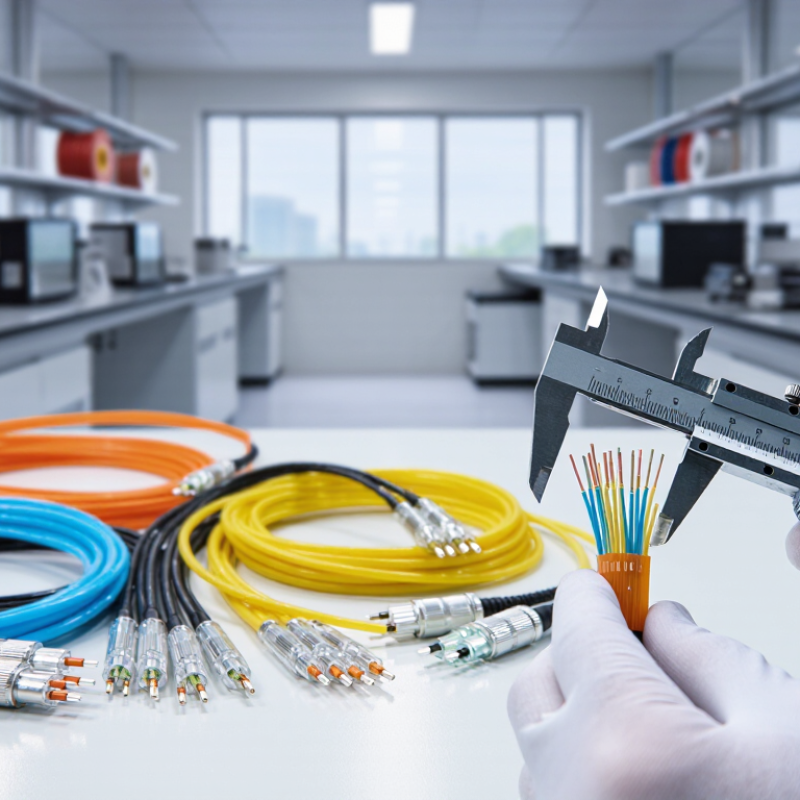
Choosing a fiber optic cable supplier in China involves more than comparing prices or product catalogs. Buyers should examine manufacturing experience, quality controls, testing practices, and the supplier’s ability to meet project specifications. Fiber type, core count, jacket material, and installation environment all matter. A cable designed for a protected indoor route may not suit a damp outdoor duct or a busy data center.

Fiber-optics pioneer Charles K. Kao helped establish the scientific foundations of optical communication. A useful summary of his contribution is: “Low-loss optical fiber can make long-distance communication practical.” This is a paraphrase, not a verified direct quotation. His work reminds buyers that performance depends on the whole system, not just a promising product label.

This guide explores China’s fiber optic cable manufacturers and suppliers, including their product ranges, quality credentials, customization options, and export experience. Look for clear test reports and traceable specifications. Ask how samples are inspected, what tolerances apply, and how production changes are documented. Details matter. A neatly printed datasheet cannot replace evidence from real testing. Supplier claims also deserve careful review; even established companies may differ in consistency, communication, and after-sales support. The best choice depends on the route, operating conditions, and service expectations. A careful shortlist takes time—and sometimes the first comparison needs revisiting.
China Best Fiber Optic Cable Manufacturers and Suppliers?

What Are Fiber Optic Cables and How Do They Work?

Fiber optic cables carry data as pulses of light through extremely thin glass or plastic strands. Each cable contains a core, cladding, protective coating, and outer jacket. The core carries light, while the cladding keeps it moving forward through internal reflection.

A transmitter converts electrical signals into rapid light pulses. At the other end, a receiver changes them back into usable data. Single-mode fiber supports long-distance communication with a narrow light path. Multimode fiber uses a wider core and suits shorter connections, such as data centers.

Performance depends on core quality, connector accuracy, bending radius, and installation practice. A cable may look flawless but still lose signal after a sharp bend. That detail is easy to underestimate.

Tips: Check the required distance, fiber type, jacket rating, and operating environment before purchasing. Ask suppliers for attenuation results, tensile strength data, temperature ratings, and inspection records. Clean connectors carefully. Tiny dust particles can weaken light transmission. Reliable manufacturers should support traceability and consistent testing, not just attractive specifications. In my view, selecting a supplier only by price is risky. Field conditions often expose weaknesses that laboratory samples do not. Even experienced buyers can miss compatibility details, so reviewing connector type and network equipment together remains worthwhile.
Why Choose Chinese Fiber Optic Cable Manufacturers and Suppliers?

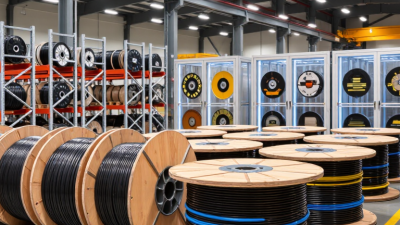
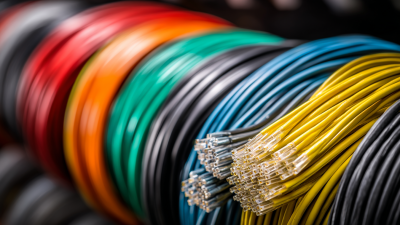
China’s fiber optic cable manufacturers and suppliers offer strong value through mature production networks, skilled technicians, and large-scale testing facilities. Many factories produce indoor, outdoor, armored, aerial, and direct-burial cables for telecom, data centers, and industrial sites. Experienced suppliers usually provide fiber specifications, attenuation data, tensile strength results, and temperature ratings before production. These details help engineers compare products beyond price.

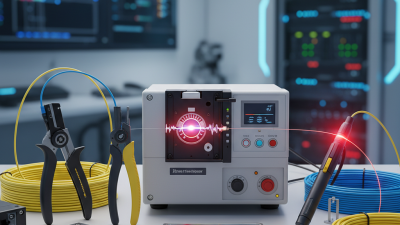
Chinese manufacturers can also support flexible designs and moderate order quantities. A project may require different jacket materials, fiber counts, connector types, or drum lengths. Local engineering teams often adjust drawings quickly and prepare samples for field testing. Reliable factories follow recognized quality systems and test cable performance with equipment such as OTDRs, tensile testers, and environmental chambers. However, the process is not flawless. Product quality can vary between suppliers, and a low quotation may hide weaker materials or limited inspection. Buyers should verify factory records, sample results, production capacity, and after-sales response.

Tips: Request a complete technical datasheet. Check attenuation at each wavelength. Ask for test reports linked to the actual batch. Review cable markings, packing photos, and drum dimensions. A video audit can reveal storage conditions and workmanship. Keep communication precise. Small misunderstandings about sheath thickness or installation temperature can create expensive problems later.

Key Types of Fiber Optic Cables Available in China

Key Types of Fiber Optic Cables Available in China

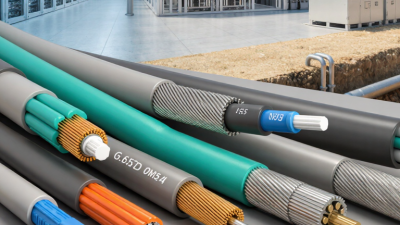
China’s fiber cable market serves telecom, data center, industrial, and rural broadband projects. The Ministry of Industry and Information Technology reported more than 3.3 million 5G base stations by the end of 2023. This scale increases demand for reliable outdoor and indoor cable designs. Single-mode G.652D remains common for long-distance networks. G.657 fiber is preferred near homes because it tolerates tighter bends.

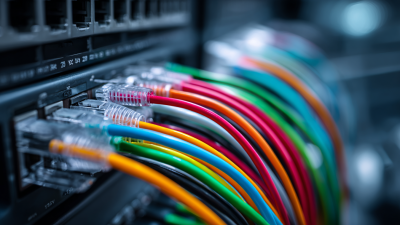
Multimode OM3, OM4, and OM5 cables support short data center links. OM4 often handles 40G and 100G connections over practical rack distances. OM5 can support wavelength-division transmission across several bands. However, its advantages depend on compatible transceivers. Specifications alone can mislead buyers. Testing matters.

China also supplies armored cable, ribbon cable, ADSS cable, and FTTH drop cable. Armored designs protect fibers near factories, roads, and underground ducts. Ribbon cables improve mass splicing efficiency in high-density routes. ADSS cables use no metallic messenger, making them suitable for aerial power corridors. FTTH drop cables are lighter, often with bend-insensitive G.657 fiber. The ITU-T G.984 and G.657 recommendations help define performance expectations, while IEC 60794 covers cable construction and testing. CRU’s 2024 optical fiber and cable outlook links continuing demand to broadband expansion and data center investment. Field conditions still decide the right choice: freezing winters, sharp poles, water exposure, and careless installation can defeat a well-designed cable.

How to Evaluate China’s Fiber Optic Cable Manufacturers

How to Evaluate China’s Fiber Optic Cable Manufacturers

China’s fiber optic cable market serves a rapidly expanding global broadband network. The OECD Broadband Statistics report for December 2023 recorded fiber at 42% of fixed broadband subscriptions across OECD economies. This growth increases pressure on suppliers to deliver consistent quality, not only low prices. Evaluate the manufacturer’s production history, export experience, and ability to trace raw materials from preform to finished cable. Ask for recent factory-audit records, process-control documents, and verified customer references.

Technical evidence matters more than polished brochures. Check attenuation, tensile strength, bending performance, water resistance, and operating temperature against IEC 60794 requirements. Request test results based on recognized methods in the ITU-T G.650 series. A reliable supplier should provide batch-level records, cable construction drawings, and optical-fiber certificates. Inspect samples physically. Look for clean jacketing, accurate markings, and evenly wound reels. Small defects can become expensive installation problems.

Delivery capability also deserves careful testing. Compare stated capacity with actual monthly output, lead times, and packaging procedures. Review how the supplier handles nonconforming products and warranty claims. ISO 9001 certification is useful, but it does not replace independent inspection. That is an easy mistake. The OECD data shows strong fiber demand, yet demand alone cannot prove manufacturing competence. Request a pilot order before signing a large contract, and keep acceptance criteria measurable, including attenuation limits, reel length, documentation, and replacement timelines.

What to Check Before Selecting a Chinese Cable Supplier

China Best Fiber Optic Cable Manufacturers and Suppliers?

Before selecting a Chinese cable supplier, verify more than price and product photos. Ask for factory registration, production capacity, and recent quality records. A reliable supplier should provide clear specifications for fiber type, attenuation, tensile strength, jacket material, and operating temperature. Request test reports linked to actual batch numbers. Generic certificates are not enough.

Visit the factory if possible, or arrange a live video inspection. Check fiber drawing, cable stranding, sheathing, aging tests, and packaging areas. Look for clean floors, labeled materials, calibrated instruments, and controlled storage. Small details matter. Ask whether the supplier can produce a sample matching your drawings and installation conditions. Confirm minimum order quantities, lead times, spare lengths, and shipment protection before signing anything.

Traceability is essential. Each reel should carry a readable label with length, batch code, production date, and test reference. Discuss inspection procedures and how defects are handled. A supplier with experienced technical staff should explain installation risks, not merely accept every request. Communication quality also reveals reliability; delayed or vague answers may become serious problems later. I would not trust a polished website alone. No checklist is perfect. I once underestimated packaging strength, and moisture damaged cable ends during transit. The supplier corrected it, but the delay was avoidable. Ask for written commitments, review them carefully, and keep technical changes documented.