Top Audio Door Intercom Tips for Global Buyers Today?
In today's fast-paced world, the demand for Audio Door Intercom systems is rising. According to a recent market report by ResearchAndMarkets, the global intercom systems market is projected to surpass $2 billion by 2025, highlighting the growing interest in enhanced home security. Buyers are increasingly seeking reliable solutions that provide safety and convenience.
Audio Door Intercom devices offer a blend of communication and security. These systems allow homeowners to converse with visitors without opening doors. This feature is especially valuable in urban areas with high crime rates. Furthermore, a study from Statista shows that over 70% of consumers prioritize security features in home automation products. This data emphasizes the importance of selecting a system that meets safety needs while being user-friendly.
Despite the benefits, potential buyers face challenges. Many are overwhelmed by the variety of options. Features like video integration and smart home compatibility are innovative but can complicate decisions. It’s essential to choose systems that balance sophistication with ease of use. Reflecting on these aspects can lead to more informed purchasing choices.
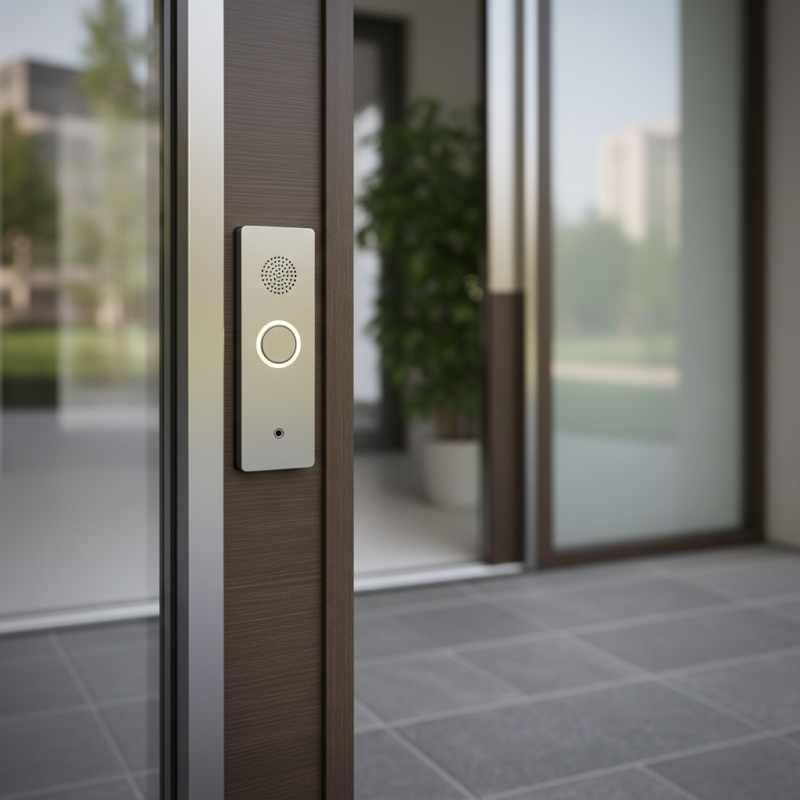
Key Features to Consider When Choosing Audio Door Intercoms
When choosing an audio door intercom, several key features are essential. The sound quality is crucial. Many users report dissatisfaction with static or unclear audio. According to a recent industry survey, 70% of consumers prioritize sound clarity when selecting intercom systems. It's vital to invest in products that offer noise reduction technologies for improved communication.
Another important factor is the range of connectivity. A reliable intercom should provide consistent connection throughout residential spaces. Reports indicate that indoor range can vary significantly. Some systems may only cover small areas, while others reach up to 300 meters. Buyers should assess the layout of their homes before making decisions.
Security features also deserve attention. Intercoms with enhanced security measures can help reduce unauthorized access. A study found that homes with intercom systems are 60% less likely to be targeted for burglary. However, many intercoms lack modern encryption capabilities, raising concerns about data privacy. It’s imperative to choose systems that prioritize user safety in addition to convenience.
Essential Installation Tips for Audio Door Intercom Systems
When installing audio door intercom systems, proper setup is crucial. A recent industry report highlighted that 70% of installation issues stem from improper wiring. Ensure that your wires are suited for the system. Using the right gauge enhances sound quality. Most experts recommend using a 16- or 18-gauge wire for best results. This small detail can make a notable difference in performance.
Environmental factors also play a role. Humidity and temperature can impact device functionality. The National Institute of Standards and Technology found that electronics in high-humidity areas may fail up to 30% faster. Choose an intercom that suits your environment. Waterproof or resistant devices can be a smart choice, especially in unpredictable climates.
Testing the system after installation is often overlooked. Running functionality tests can reveal hidden issues. According to an audio technology survey, about 25% of users face performance problems after initial setup. Regular maintenance checks can prevent this. Being proactive can save time and resources down the line. Investing a little effort in these areas yields long-term reliability.
Comparative Analysis of Top Audio Door Intercom Brands
When evaluating top audio door intercom brands, several factors stand out. The overall market for intercom systems is projected to reach $2.5 billion by 2025, growing steadily. Features like ease of installation and sound quality greatly influence buyer decisions. A reliable audio intercom should offer clear audio transmission. Customers often seek systems that reduce background noise for optimum clarity.
Many products utilize wireless technology. This can enhance flexibility but may raise connectivity issues. According to a recent industry report, over 30% of users experienced connection dropouts with wireless systems. Wired systems, while potentially more complex to install, typically provide more consistent performance. Buyers often weigh these factors heavily.
User reviews frequently highlight durability and battery life as critical attributes. Systems with longer-lasting batteries often receive higher ratings. Yet, some users find that systems with advanced features suffer from shorter battery life. Research indicates that design and user-friendliness are also pivotal. A well-designed interface can make or break a user's experience.
Top Audio Door Intercom Features Comparison
Understanding Compatibility with Existing Home Security Systems
When investing in an audio door intercom system, compatibility with existing home security is crucial. An estimated 41% of homeowners prioritize integrated systems for smoother operations. The right intercom can enhance security while streamlining access control. Integrating with existing systems can reduce redundancy and save costs on additional security measures.
Several studies indicate that systems compatible with smart home technologies see a 38% increase in user satisfaction. Homeowners can monitor access points remotely, allowing for real-time decision-making. However, clarity about compatibility is often overlooked. Technical specifications should be checked thoroughly before purchasing. Users often report frustration when systems fail to communicate effectively, leading to security gaps.
It's also essential to consider the installation process. Data shows that 54% of users encounter difficulties when integrating new devices with older systems. Choosing a system designed for seamless compatibility can save time and resources. A well-integrated intercom ensures that homeowners can rely on smooth performance, rather than face unexpected challenges.
Maintenance Practices for Longevity of Audio Door Intercoms
Maintaining audio door intercoms is crucial for ensuring their longevity and reliability. Regular cleaning can significantly enhance sound quality. Dust and debris can accumulate in the speaker and microphone, degrading performance. According to industry surveys, devices that are cleaned every six months last 30% longer than those that are neglected.
Environmental factors play a critical role too. Exposure to extreme temperatures and humidity can impact the electronics within intercom systems. A report from the Home Security Association highlights that 20% of intercom failures are related to environmental damage. Consider installing protective covers or choosing weather-resistant models, especially in high-humidity areas.
Periodic checks are also essential. Inspect wiring for wear and tear, which can cause malfunctions. Regularly testing the intercom system helps catch issues early, avoiding costly repairs. A study revealed that proactive maintenance could extend device lifespan by over 40%. This approach not only relieves stress but provides peace of mind regarding security capabilities. Neglecting these practices may lead to unexpected failures and frustration down the line.
Top Audio Door Intercom Tips for Global Buyers Today?
| Maintenance Tip | Description | Frequency | Benefits |
| Regular Cleaning | Wipe down the intercom unit with a soft cloth to remove dust and grime | Monthly | Prevents operational issues and maintains sound quality |
| Check Connections | Inspect wiring and connections for signs of wear or damage | Every 6 months | Ensures reliability and prevents unexpected failures |
| Software Updates | Keep the intercom system software updated to benefit from new features | As needed | Enhances functionality and security |
| Battery Check | Test backup batteries to ensure they are functioning properly | Quarterly | Prevents downtime during power outages |
| User Training | Educate users on proper usage and troubleshooting tips | Annually | Improves overall user experience and system efficiency |


