China Top 10 Deep Drill Machine Manufacturers
Choosing the right Deep Drill Machine requires more than comparing prices or catalog photographs. China’s manufacturing sector includes experienced builders, specialized workshops, and large industrial equipment groups. Their machines serve mold production, automotive components, hydraulic parts, energy equipment, and precision steel processing. This guide introduces ten notable Chinese manufacturers and explains the practical strengths behind their reputations.
The comparison focuses on measurable details. These include drilling depth, hole diameter, spindle torque, machine rigidity, coolant pressure, automation options, and control-system compatibility. A reliable model should maintain accuracy during long drilling cycles, even when heat and vibration increase. Factory testing, customer references, inspection records, and responsive technical support also matter. A machine may look impressive on paper, but performance inside a busy workshop reveals more.
No ranking is perfect. Manufacturer capabilities can change, and regional service quality may differ. Some companies excel at customized equipment, while others offer stronger standard platforms and faster delivery. Buyers should verify certificates, sample results, spare-parts availability, installation support, and warranty terms before making a decision. Visiting a production site can reveal important details, such as assembly discipline, testing procedures, and the condition of finished machines. That small step is often overlooked. It should not be. This overview aims to provide a balanced starting point, based on engineering considerations, manufacturing experience, and evidence that buyers can independently examine.
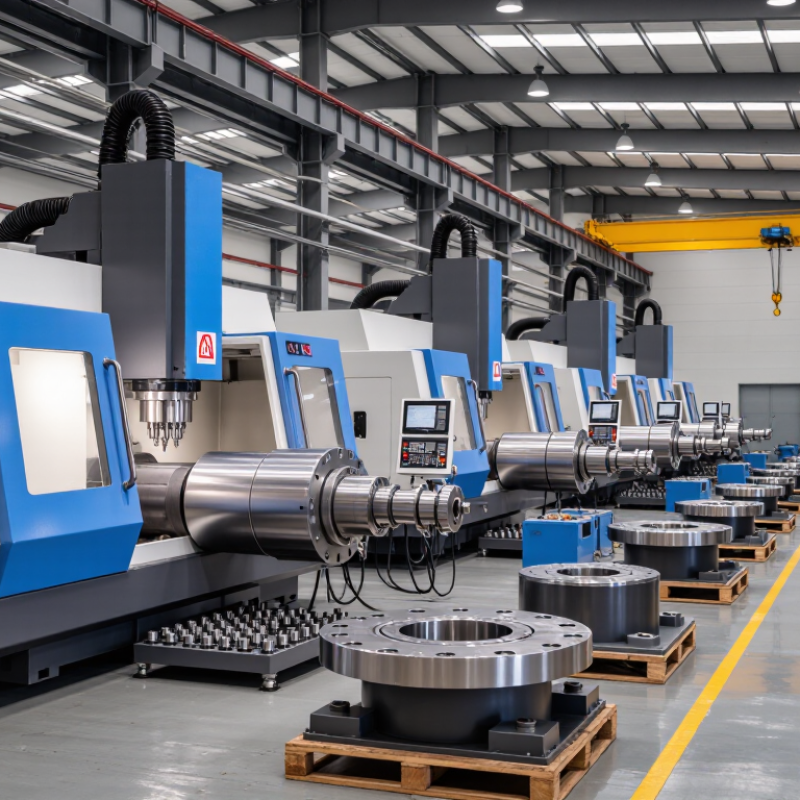
Deep Drill Machines: Definition, Applications, and Core Technologies
Deep drill machines are specialized machine tools for producing accurate, deep holes in metal components. Their drilling depth usually exceeds several times the hole diameter. Some industrial models reach depths far beyond that ratio. Unlike ordinary drills, they control chip removal, coolant flow, and tool guidance over long distances. In practice, a stable machine should leave a straight bore with consistent diameter and surface finish.
These machines serve mold making, hydraulic cylinders, aerospace structures, energy equipment, and automotive parts. Operators may drill alloy steel blocks, rotating shafts, or long aluminum housings. Gun drilling suits small diameters and tight tolerances. BTA drilling handles larger holes and higher material removal rates. Ejector systems can support deep cutting when internal chip evacuation becomes difficult. A workshop often checks tool runout before machining. A tiny alignment error can become serious several hundred millimeters below the surface.
Core technologies include high-pressure coolant, guided boring bars, vibration control, and CNC monitoring. Sensors can track spindle load, temperature, and abnormal cutting conditions. Proper feeds and speeds depend on material hardness, hole diameter, tool geometry, and coolant performance. Previous cutting data helps, but it should not be copied blindly. I have seen stable settings fail after a material batch changed slightly. That is the uncomfortable part. Reliable production still requires inspection, trial cuts, and patient adjustment.
China’s Deep Drill Machine Manufacturing Industry
China’s deep drill machine manufacturing industry is expanding with broader manufacturing demand. China’s National Bureau of Statistics reported a 9.2% rise in manufacturing investment in 2024. That growth supports demand for deep-hole drilling in molds, hydraulic parts, energy equipment, and heavy machinery.
Mordor Intelligence estimates China’s machine tools market will grow at about 5% annually through 2029. Deep drilling remains a specialized segment, however. Public reports often combine it with wider machine-tool categories. That makes direct market comparisons imperfect. Still, factory experience reveals practical differences. Stable spindle torque matters when drilling holes several meters deep. Coolant filtration also affects surface quality and tool life. Poor chip evacuation can quickly damage a finished bore. Manufacturers are therefore investing in CNC control, real-time monitoring, and automated tool compensation. These upgrades improve repeatability, but skilled technicians remain necessary. Automation is not magic.
Tips: When comparing Chinese manufacturers, request verified test-bore records, tolerance data, and coolant-pressure specifications. Check whether the machine supports gun drilling, BTA drilling, or both. Ask for evidence from materials similar to your production parts. Energy use deserves attention, too. A lower purchase price may hide higher filtration, tooling, and maintenance costs. Review service response times and spare-part availability before signing a contract. The best supplier is not always the largest one.
Selection Criteria for China’s Top 10 Manufacturers
China Top 10 Deep Drill Machine Manufacturers
Selection Criteria for China’s Top 10 Manufacturers
Selecting China’s top deep drill machine manufacturers requires more than comparing catalog prices. A reliable assessment begins with documented manufacturing experience and proven project records. Manufacturers should show how long they have produced deep drilling equipment and which materials they process regularly. Practical experience matters when drilling long, narrow holes in steel, castings, or difficult alloys.
Engineering capability is another essential measure. Review spindle power, drilling depth, diameter tolerance, coolant pressure, and chip removal design. Ask for test data from machines with similar specifications. Factory audits can reveal important details, including assembly standards, inspection tools, and operator training. Look closely at calibration records. Small measurement errors can become costly defects.
After-sales support also affects long-term reliability. Assess response times, spare-parts availability, installation guidance, and maintenance documentation. Independent certifications may support credibility, but certificates should be verified rather than accepted blindly. Customer references are useful when they include measurable results, such as cycle time or hole accuracy.
A ranking can mislead.
Price deserves careful interpretation. A low quotation may exclude tooling, training, or future service. A higher price may reflect stronger components, testing, and technical support. However, expensive does not always mean better. I would compare total operating cost across several years, not only the purchase invoice. One weakness remains: public information is often incomplete, so every shortlist should include direct factory communication and an on-site or third-party inspection.
Profiles of China’s Top 10 Deep Drill Machine Manufacturers
China’s top ten deep drill machine manufacturers are best compared by verified capability, not advertising claims. Their profiles show different strengths across deep-hole machining, gun drilling, BTA drilling, and custom equipment.
One manufacturer focuses on compact CNC gun-drilling centers for automotive components. Another builds large machines for hydraulic cylinders and energy equipment. A third specializes in modular systems with replaceable drilling heads. The fourth is known for heavy-bed structures and stable boring accuracy. The fifth combines drilling, boring, and internal honing in one production line. The sixth serves mold makers with narrow-hole precision work. The seventh develops automated loading systems for repeat production. The eighth emphasizes customized machines for long shafts and tubes. The ninth supplies economical equipment for small and medium factories. The tenth provides engineering support, tooling selection, and process testing before delivery.
These profiles reveal an important difference: machine quality depends on application fit. A rigid frame, controlled coolant flow, and reliable chip removal often matter more than impressive speed figures. Factory experience also matters. A supplier that can explain spindle runout, hole straightness, and tool life deserves closer attention. Some published specifications remain difficult to verify. That deserves reflection.
Tips: Request sample drilling data, inspection records, and a live video test. Check the machine’s working length, maximum diameter, coolant pressure, and after-sales response time. Ask for realistic tolerances, not ideal laboratory results.
China Top 10 Deep Drill Machine Manufacturers
Profiles of China’s Top 10 Deep Drill Machine Manufacturers
This industry profile compares commonly used deep-hole drilling methods by their typical hole-diameter ranges. The ranges are generalized engineering benchmarks rather than company-specific specifications; actual capabilities vary by machine model, tooling, material, and workpiece design.
Comparing Products, Capabilities, and Global Market Reach
China Top 10 Deep Drill Machine Manufacturers: Comparing Products, Capabilities, and Global Market Reach
A practical comparison should examine machines, not only factory size. Deep drill models differ in spindle power, hole accuracy, bed rigidity, and chip removal performance. Some suit long shafts, while others handle molds, cylinders, or complex alloy parts. In field evaluations, operators often notice vibration before catalog readers do. That small detail can affect tool life and surface quality. Testing sample workpieces is therefore essential.
Manufacturing capability also includes engineering support, customization, inspection, and spare-parts supply. Strong producers usually provide drawings, process advice, installation guidance, and documented quality checks. However, export reach should not be judged by a long customer list alone. Reliable delivery, clear technical English, remote troubleshooting, and local service partners matter more during production. A lower quotation may look attractive, but delayed components can increase the real cost. No ranking is permanent. Market performance changes as technology, service, and regional demand develop.
Tips: Compare identical specifications, including drill diameter, depth, material, tolerance, and cycle time. Ask for recent test data and machine videos. Check how quickly the supplier answers technical questions. Visit a reference installation when possible. Also, leave room for doubt: published accuracy may depend on setup, tooling, and operator skill. A careful buyer measures the complete production process, not just the machine’s headline features.


