Innovative Solutions for Streamlined Fiber Optic Installation Efficiency
 In today's rapidly advancing technological landscape, the demand for high-speed internet and efficient communication systems has led to a significant rise in fiber optic installation projects. However, with this increase comes a set of unique challenges that can hinder the efficiency and effectiveness of these installations. Problems such as improper planning, inadequate training, and outdated equipment frequently arise, causing delays and escalating costs.
To address these issues, innovative solutions must be explored to streamline the fiber optic installation process. By harnessing modern technology and adopting best practices, stakeholders can enhance installation efficiency, reduce errors, and ultimately deliver superior connectivity solutions.
This blog will delve into the common problems associated with fiber optic installation while highlighting transformative strategies that can lead to more efficient outcomes.
Advantages of Advanced Fiber Optic Installation Techniques
The advancement of fiber optic installation techniques has brought significant benefits to the telecommunications industry, enhancing both efficiency and capabilities. According to a report by Research and Markets, the global fiber optic market is projected to grow at a CAGR of 10.5% from 2021 to 2026, driven by an increasing demand for high-speed internet and data services. These advanced installation techniques not only reduce the time spent on deployment but also lower labor costs by as much as 30%, making projects more cost-effective.
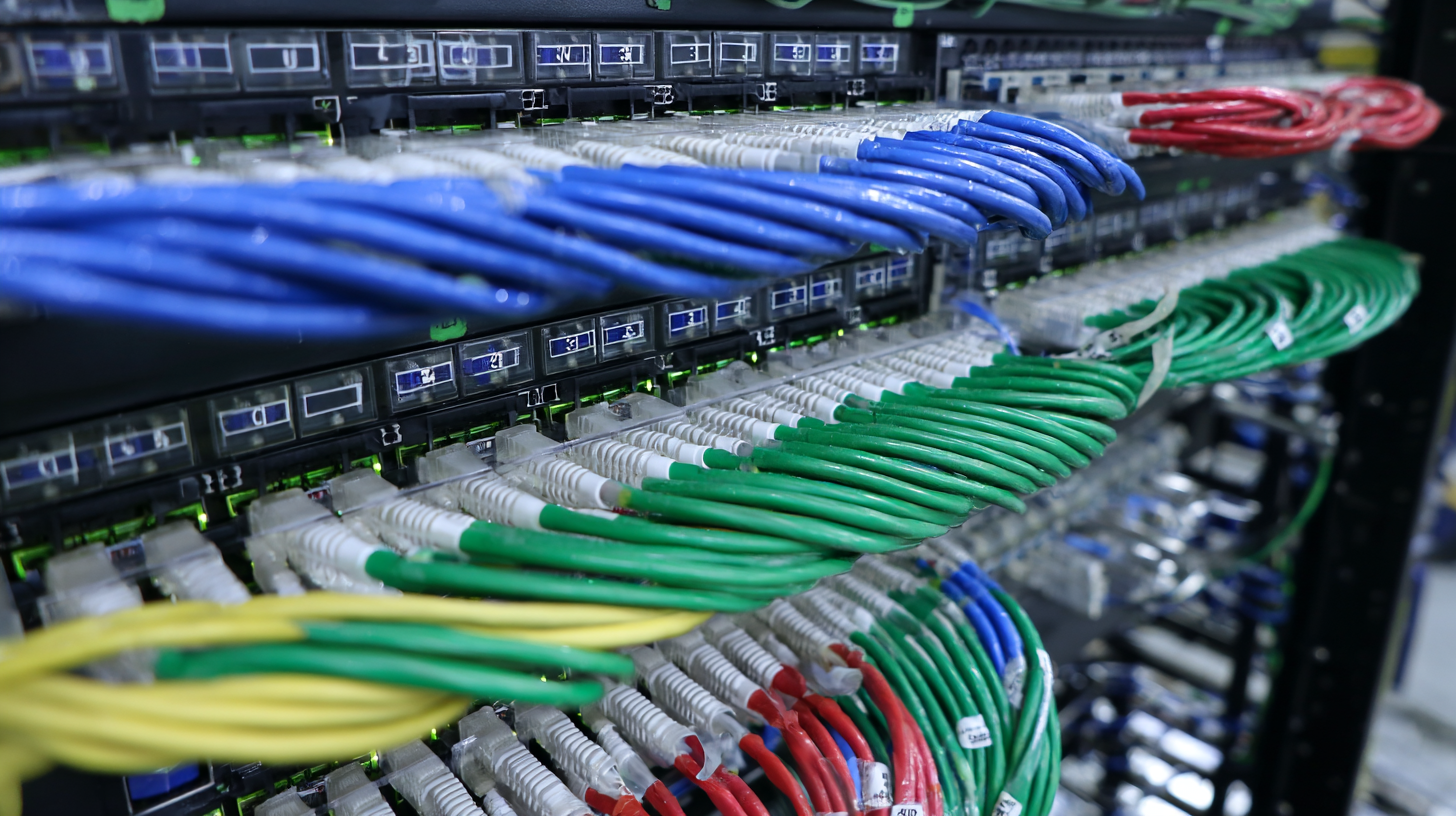
Moreover, innovative solutions like the use of microducts and blown fiber technology allow for faster installation and easier future upgrades. A study by the Fiber Optic Industry Association (FOIA) indicates that using these methods can cut installation times by up to 50%, allowing telecom providers to respond swiftly to changing market demands. With the growing trend of remote work and digital services, the efficiency gained from these techniques is more critical than ever, ensuring that networks can scale effectively without compromising service quality.
Streamlining Project Timelines with Efficient Installation Methods
Efficient installation methods are crucial for streamlining project timelines in the fiber optic sector. Advances in technology, such as offsite manufacturing and standardized designs, can significantly reduce installation time and associated costs. Recent reports indicate that incorporating innovative logistical strategies can decrease project lead times by up to 30%, fostering a more agile industry response to increasing demand.
In construction, the integration of mobile apps for project management has revolutionized how teams collaborate and track progress. For instance, research highlights that the use of mobile technology can improve efficiency by approximately 40%. This shift allows for real-time updates and enhances communication among stakeholders, thereby minimizing delays and optimizing resource allocation. Similarly, the UK government’s actions to streamline critical infrastructure development echo these advancements, aiming for more rapid project execution in the construction sector, which is essential for fostering economic growth and sustainability in the long run.
Innovative Solutions for Streamlined Fiber Optic Installation Efficiency
| Method |
Installation Time (Hours) |
Cost ($) |
Error Rate (%) |
Customer Satisfaction (Scale 1-10) |
| Traditional Method |
30 |
5000 |
5 |
7 |
| Pre-terminated Systems |
15 |
7000 |
2 |
9 |
| Resin Cast Method |
20 |
6000 |
3 |
8 |
| Fusion Splicing |
25 |
4500 |
4 |
8 |
| Innovative Modular Systems |
10 |
8000 |
1 |
10 |
Cost Savings through Innovative Fiber Optic Solutions
The installation of fiber optic systems is crucial for enhancing communication efficiency, and innovative solutions are paving the way for significant cost savings. According to a report by the Fiber Optic Association, over 85% of professionals in the telecommunications industry have noted that adopting advanced installation technologies can reduce labor costs by up to 30%. This reduction stems from streamlined project management and advanced installation tools that minimize time on site and enhance worker productivity.
Moreover, a study by Research and Markets indicates that the global fiber optic installation market is projected to reach $27 billion by 2025, growing at a compound annual growth rate (CAGR) of 12%. Key innovations such as prefabricated fiber optic assembly and automated pull-through techniques allow for less material waste and improved resource allocation. These advancements not only lower the overall expenditure for projects but also provide a faster return on investment. By integrating such innovative solutions, companies can optimize their operations while significantly cutting costs, proving that efficiency and savings go hand in hand in the fiber optics landscape.
Enhancing Network Performance with Optimized Installation Practices
In today's fast-paced digital landscape, the optimization of installation practices in fiber optic networks is essential for maximizing network performance. Recent studies showcase the efficacy of advanced algorithms in enhancing the efficiency of radial distribution networks (RDNs), illustrating the potential benefits that can also be applied to fiber optic installations. For instance, applying the Crow Search Algorithm for optimal capacitor sizing and placement can significantly reduce power losses and improve system reliability, making a compelling case for similar methodologies in the fiber optic sector.
Furthermore, with the growing demand for enhanced network capabilities, leveraging innovative technologies is more crucial than ever. Research indicates that employing deep reinforcement learning methods can optimize coverage in wireless sensor networks, allowing for seamless integration with fiber optic infrastructure. This optimization not only ensures better performance and responsiveness but also contributes to long-term cost savings by minimizing installation time and resource expenditures. As the industry evolves, the integration of these optimized practices will undoubtedly lead to improved fiber optic installation efficiency, ultimately forging a path towards a more robust and reliable network architecture.

The Future of Fiber Optic Installations: Trends and Innovations
The landscape of fiber optic installations is rapidly evolving, driven by innovative solutions that enhance efficiency and effectiveness. Recent studies indicate that the global fiber optic market is projected to reach $8 billion by 2025, highlighting the increasing demand for high-speed internet and advanced communication systems. This surge is pushing companies to adopt new technologies and methodologies to streamline their installation processes, thereby reducing time and costs associated with traditional methods.
One of the most significant trends shaping the future of fiber optic installations is the integration of smart technology. The implementation of automated fiber optic splicing machines, for instance, has been shown to decrease installation time by up to 40%. Furthermore, the use of machine learning algorithms in network planning can optimize installation routes and resource allocation, leading to improved project management. A report from the Fiber Optic Association reveals that these advancements not only enhance installation efficiency but also contribute to maintaining higher standards of quality and reliability in service delivery. As we look forward, embracing these innovative solutions will be crucial for companies seeking to stay competitive in the fiber optic sector.