Engineer's Toolbox Visit www.hansarobotics.com
Category Banner

Understanding the Advantages of Optic Cable for Future Communication Technologies

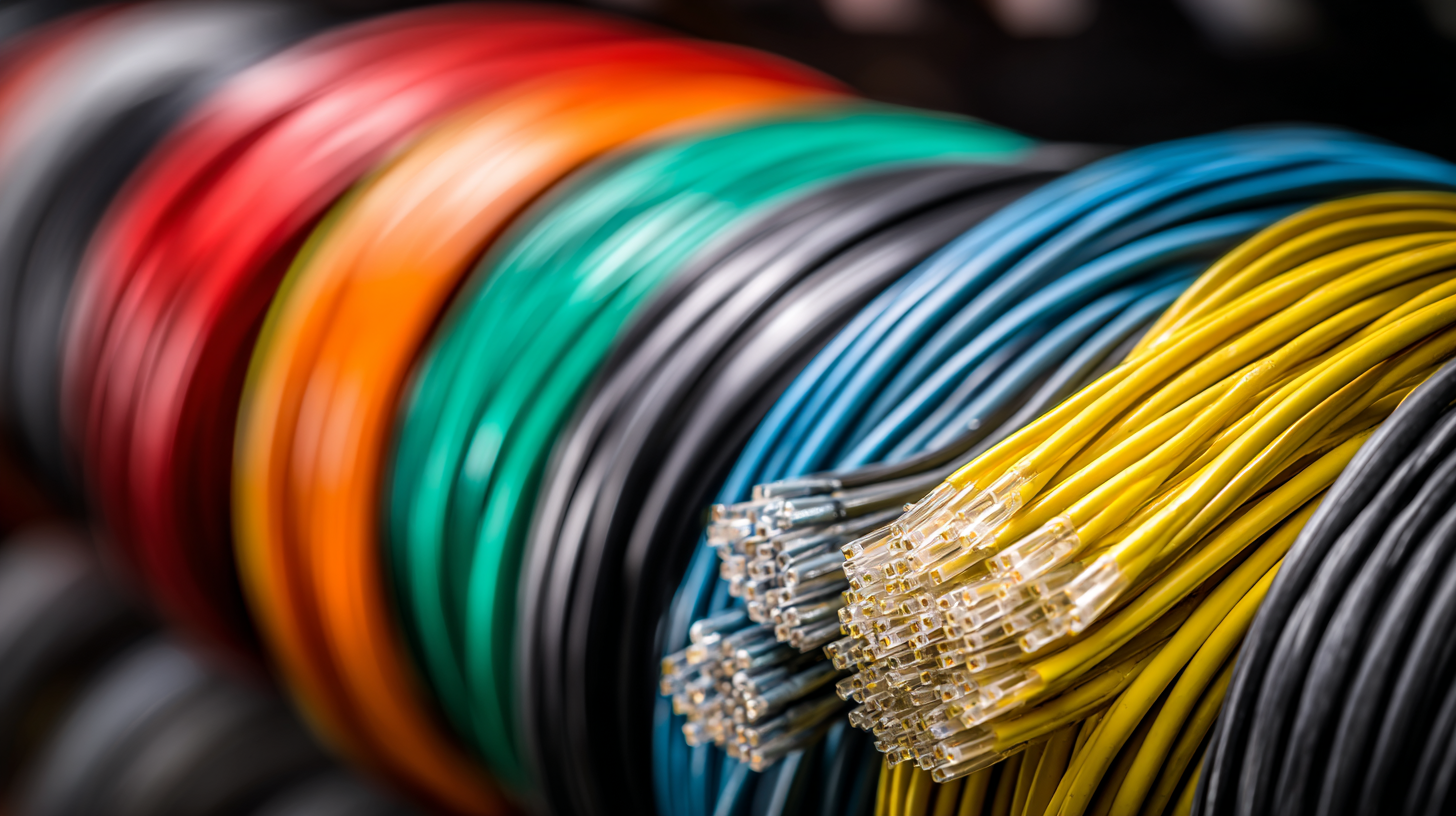
In the rapidly evolving landscape of communication technologies, the integration of optic cable systems stands out as a transformative advancement. According to a recent report by the International Telecommunication Union (ITU), global bandwidth demand is projected to grow exponentially, with an estimated increase of 25% per year over the next five years. This surge emphasizes the necessity for faster, more reliable data transmission channels, where optic cables play a pivotal role. Unlike traditional copper wires, optic cables utilize light to transmit information, resulting in significantly higher data rates and reduced latency. Furthermore, a study from Cisco anticipates that by 2023, more than 80% of internet traffic will be carried over fiber optic networks, underlining the technology's critical role in shaping future communication infrastructures. As we delve deeper into the advantages of optic cable, it becomes clear that this medium is not just an option but a necessity for meeting the demands of modern connectivity.
Understanding the Advantages of Optic Cable for Future Communication Technologies

Benefits of Optic Cable in Modern Communication Systems

Optic cables are instrumental in modern communication systems, offering numerous benefits that facilitate high-speed data transmission. The evolution of fiber optics has significantly enhanced internet connectivity, paving the way for multi-gigabit Ethernet applications across various sectors, including automotive, military, and aerospace. In the automotive industry, advancements in fiber optic technology enable seamless communication within vehicles, enhancing their electrical systems and improving overall performance.

Moreover, the shift from round to rectangular fiber optic cables has proven to further amplify data speeds, reflecting the technology's adaptability and potential for future growth. Fiber optics serve as the backbone of global communications, supporting not just everyday internet access but also critical infrastructures such as railway systems, where upgraded communication networks ensure safe and efficient operations.

As we continue to celebrate the milestones of fiber optics, it is evident that this technology will remain a cornerstone of modern communication systems, driving innovation and connectivity across the globe.

Key Features That Make Optic Cables Superior to Traditional Wiring

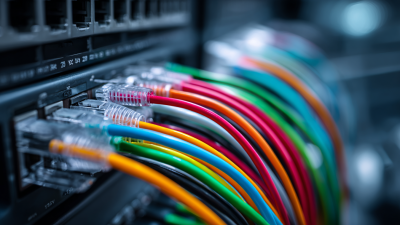
Optic cables are increasingly recognized for their pivotal role in advancing communication technologies, significantly outpacing traditional copper wiring in several key features. One of the most compelling advantages is bandwidth capacity. According to a recent report by the International Telecommunication Union (ITU), fiber optic cables can support data rates exceeding 1 Gbps and have the theoretical potential to reach speeds in the terabits per second range. This unparalleled capacity ensures that as demand for high-speed internet continues to grow, optic cables remain the preferred choice for future-proofing communication networks.

Understanding the Advantages of Optic Cable for Future Communication Technologies

Moreover, optical fibers are immune to electromagnetic interference, which can severely affect the performance of copper cables. A study by the Fiber Optic Association highlights that fiber optics can transmit data over longer distances, up to 40 kilometers or more without significant signal loss, compared to copper wires that typically suffer from attenuation after a mere 100 meters. This durability and reliability make optic cables indispensable for businesses and data centers, which require stable and uninterrupted connectivity. With these advantages, it's clear that optic cables stand out as the superior option for modern and future communication infrastructures.

Exploring the Scalability of Optical Fiber for Future Network Demands

Understanding the Advantages of Optic Cable for Future Communication Technologies The scalability of optical fiber is increasingly crucial to meet the surging demands of future communication networks. As the global C-RAN market is projected to rise from $4.56 billion in 2025 to $17.03 billion by 2032, with a compound annual growth rate (CAGR) of 20.7%, it's evident that the infrastructure must evolve to support higher data rates and greater connectivity. Optical fiber cables offer the bandwidth necessary for these advancements, enabling scalable solutions that can accommodate future needs without requiring complete overhauls of existing systems.

Moreover, the growing emphasis on optical networks is evident within the passive optical LAN (POL) sector, which is witnessing significant momentum. With applications spanning education, healthcare, and various sectors, the POL market is set to expand significantly by 2032. Reports indicate that the demand for optical line terminals (OLTs) and advanced splitter solutions will drive this growth, aligning with the need for potent, scalable network architectures capable of handling increasing traffic loads. The transition to optical technologies will not only enhance the speed and efficiency of data transmission but also position enterprises to adapt seamlessly to the evolving digital landscape.

Cost-Effectiveness of Optic Cable Installation and Maintenance

The cost-effectiveness of optic cable installation and maintenance is becoming increasingly important as communication technologies evolve. With a projected market growth from $14.52 billion in 2025 to $21.39 billion by 2032, the financial benefits of switching to optic fiber are clear. Fiber optic cables not only offer higher data transmission speeds and bandwidth but also require less maintenance compared to traditional coaxial cables. This reduced need for upkeep means lower long-term costs, making optic cables a wise investment for future infrastructure projects.

Tips: When considering optic cable installation, it's essential to assess your specific bandwidth needs and future scalability. Investing in a robust fiber network can prevent costly upgrades down the line. Additionally, working with experienced professionals can streamline the installation process, further reducing expenses and minimizing downtime.

As governments and businesses prioritize cybersecurity and data protection, safeguarding installations becomes crucial. Subsea fiber-optic cables, which carry over 95 percent of international data, need to be protected against threats. Projects like the JBPHH ‘Fiber Deep’ initiative not only save costs but also enhance network resilience, ensuring that our communication infrastructure remains secure in an increasingly competitive digital landscape.

Environmental Benefits of Using Optic Fiber for Communication Technologies

The shift from copper to fiber optic cables in communication technologies brings numerous environmental benefits that align with global sustainability goals. Fiber optics consume significantly less energy compared to traditional copper wires. A recent report indicated that fiber optic networks can reduce energy consumption by up to 80%, leading to lower carbon emissions. This transition not only supports the growing demand for high-speed internet and telecommunications but also promotes a greener infrastructure.

Furthermore, the longevity of fiber optic cables contributes to environmental preservation. While copper cables require frequent replacement due to corrosion and degradation, fiber optics are more resilient, lasting up to 25 years or more. This durability results in less waste and a reduction in the mining impact associated with metal extraction. With the global fiber optics market projected to reach USD 3.5 billion by 2035, the industry's commitment to innovative, sustainable practices will be crucial in meeting future communication needs while mitigating environmental impacts.

Understanding the Advantages of Optic Cable for Future Communication Technologies

This chart illustrates the advantages of optic fiber for future communication technologies, highlighting significant metrics such as environmental impact, transmission speed, bandwidth capacity, cost efficiency, and durability. Each metric is rated out of 100 to represent the perceived effectiveness of fiber optics in these critical areas.