Engineer's Toolbox Visit www.hansarobotics.com
Category Banner

Top 10 Types of Check Valves for Every Application

A Check Valve may be small, but its failure can send water, steam, or process fluid backward through a line. The result may be pump damage, pressure shock, or costly downtime. The U.S. Department of Energy’s Improving Pumping System Performance: A Sourcebook for Industry (2006) estimates that pumping systems use nearly 20% of global electricity demand. That figure covers entire pumping systems, not valves alone, but it shows why dependable flow control matters. In the field, details matter: pipe orientation, fluid cleanliness, closing speed, and available installation space can all change the right choice.

This guide examines ten common types, including swing, lift, dual-plate, wafer, ball, piston, tilting-disc, diaphragm, nozzle, and foot check valves. Each design responds differently to flow conditions and operating demands. API 594 provides requirements for several check-valve designs and configurations; it is a useful reference, not a substitute for application-specific engineering review. A swing model may suit a large, steady-flow line, while a compact dual-plate unit can fit tight spaces. Neither is automatically best. A catalogue comparison can miss transient pressure, solids, or maintenance access. That deserves a closer look.

The goal is practical selection, not a universal ranking. Compare operating pressure, temperature, materials, leakage expectations, and installation constraints before choosing. Confirm the manufacturer’s data against the system conditions. Small mismatches can become expensive.
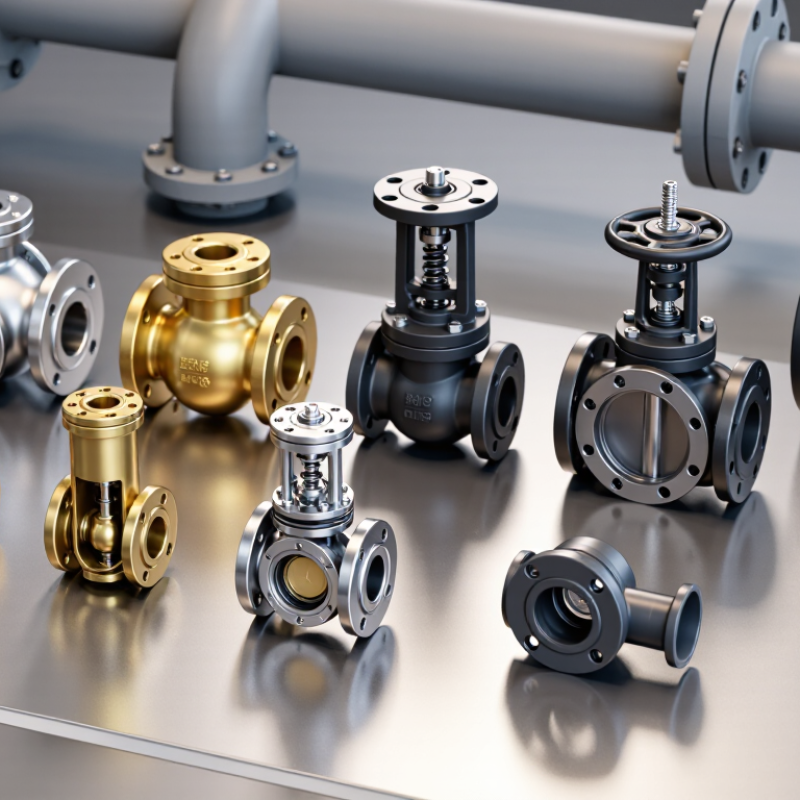
Top 10 Types of Check Valves for Every Application

Check Valve Fundamentals: Cracking Pressure, Reverse Flow, and Automatic Closure

Top 10 Types of Check Valves for Every Application

A check valve opens when upstream pressure exceeds its cracking pressure, the minimum differential needed to move its disc or poppet. That value matters at startup: a spring-loaded valve may need more pressure to open than a freely swinging design. If the pump cannot provide enough, flow can be restricted. Check the valve’s pressure-flow data against the actual operating conditions, not just the pipe size.

When upstream pressure falls, reverse flow pushes the closure element back toward its seat. This automatic action helps protect pumps and limit backflow, but it does not guarantee a perfectly tight seal. Dirt, wear, or a damaged seat may allow leakage. Fast closure can also create water hammer, heard as a sharp knock in the pipe. Orientation matters: some designs rely on gravity, while others can operate in different positions. The details vary by valve.

Tips: Confirm the permitted installation direction and position in the manufacturer’s technical documentation. Compare cracking pressure with the system’s available startup pressure. If a valve closes noisily, investigate flow velocity, placement, and closure behavior; replacing it without checking the cause may not solve the problem. A small oversight here can become an expensive one.

Ten Check Valve Types: Swing, Lift, Ball, Piston, Diaphragm, and Specialty Designs

Check valves stop reverse flow, yet their moving parts affect pressure loss, noise, and service life. A swing check uses a hinged disc and suits steady, moderate-velocity flow; rapid reversal can make it slam. A lift check raises a guided disc from its seat, often fitting clean, high-pressure lines, though it needs sufficient pressure to open. Ball checks use a free-moving ball; they can handle some solids, but orientation and fluid viscosity matter. Piston checks guide the closing element for controlled seating. Diaphragm checks separate the mechanism from the fluid, though the diaphragm itself can wear. Small details matter.

Among specialty designs, wafer checks fit between flanges where installation space is tight. Dual-plate checks use two spring-loaded plates and can reduce closure travel. Tilting-disc valves pivot around a central axis, which may soften closure in suitable systems. Stop-check valves combine non-return action with manual shutoff. Nozzle checks guide flow through an axial path and often use spring-assisted closure. These designs are not interchangeable; layout and operating conditions change their behavior.

Check the required flow direction, mounting orientation, cracking pressure, temperature, and pressure rating before selection. Water hammer deserves attention, especially where pumps start or stop quickly. Seat materials must suit the fluid, not just the line size. A catalog description alone is not enough: drawings and actual operating data can reveal mismatches. Even a well-chosen valve may need inspection if debris, wear, or changing duty conditions appear.

ASME B16.34: Pressure-Temperature Ratings for NPS ½–24 and Classes 150–2500

ASME B16.34 provides pressure-temperature ratings for many valves in sizes from NPS ½ through 24 and pressure classes from 150 to 2500. These values are not interchangeable across materials. A Class 300 valve made from one material may have a different allowable pressure at the same temperature than a Class 300 valve made from another. As temperature rises, permitted pressure generally falls. Check the applicable material group and rating table, rather than treating the class number as a pressure value.

For check valves, the rating is only one part of selection. Compare the line’s maximum operating pressure and temperature with the valve’s documented limits, including relevant upset conditions. Then consider flow direction, cracking pressure, installation orientation, and the risk of water hammer. A swing check may behave differently from a lift or wafer check in the same line. The standard’s size and class ranges do not mean every material or valve design is available across every combination. Details matter. I still find it easy to overlook temperature when a pressure rating looks comfortably high.

Tips: Verify the exact material designation and end connection against the current standard and manufacturer’s certified data. Check the rating at the highest expected metal temperature, not just normal operating temperature. If conditions sit near a limit, have a qualified engineer review the selection.

API 594: Requirements for Wafer, Lug, and Double-Flanged Check Valves

API 594 sets design and inspection requirements for several check-valve configurations, including wafer, lug, and double-flanged types. The distinction affects installation, not merely appearance. A wafer valve fits between flanges and is held in place by the piping connection. A lug-style body has threaded lugs for bolting, which can help when one side of a line must be removed. Double-flanged valves connect directly to matching flanges and may need more installation space.

The standard addresses matters such as pressure-temperature ratings, materials, dimensions, testing, and marking. These requirements help engineers compare valves against the service conditions and the piping specification. They do not make every valve interchangeable. Check the applicable API 594 edition, valve size and class, facing dimensions, and project requirements before ordering.

Small mismatches can become costly. A few millimeters matter.

In the field, engineers should also consider flow direction, available clearance, and access for maintenance. A compact wafer design may suit a crowded pump discharge, while a flanged body can be easier to handle during replacement. Lugged designs require careful confirmation of bolting arrangements and line isolation plans. The standard provides a common technical basis, but it cannot choose the right configuration for a particular system.

I have seen selection sheets overlook clearance around nearby pipe supports; that is an easy detail to miss, and worth checking twice.

Application Selection: Compare Flow, Fluid, Pressure Drop, and Water-Hammer Risk

Choosing among swing, lift, ball, dual-plate, tilting-disc, and nozzle check valves starts with the actual flow conditions. A swing valve often suits steady, low-velocity water flow in larger pipes, but may slam when flow reverses quickly. Lift and piston designs guide the disc closely, though their pressure drop can be higher. Small details matter. Solids, viscosity, and pipe orientation can change how reliably a valve opens and closes.

Compare pressure-drop data at the expected flow rate, not just the pipe size. A ball check can tolerate some suspended material, while a clean-fluid system may favor a compact dual-plate design. For wastewater or abrasive service, confirm the seat and internal materials are suitable; “corrosion-resistant” alone is not a useful specification. Foot valves also need attention to suction losses, especially when a pump operates near its limit.

Water hammer deserves separate consideration. Fast flow reversal, long pipe runs, and abrupt pump shutdowns can create damaging pressure surges. A spring-assisted or nozzle-style check valve may close sooner than a conventional swing type, but the result depends on system dynamics. Review pump curves, flow velocity, and transient analysis where consequences are serious. Field conditions can differ from drawings, sometimes by quite a lot. If possible, verify operating behavior after installation and adjust the selection when measured pressure or noise disagrees with expectations.

Top 10 Types of Check Valves for Every Application — Application Selection Compare flow pattern, fluid suitability, relative pressure drop, and water-hammer risk before selecting a valve.
Check Valve Type Flow and Installation Fit Typical Fluid Suitability Relative Pressure Drop Water-Hammer Risk Common Applications
Swing Check Full-bore flow with a hinged disc; commonly installed in horizontal lines or vertical lines with upward flow. Clean liquids and gases; solids can interfere with disc seating. Low when fully open; varies with disc and body design. Moderate to high in long or fast-flowing lines because the disc may close after reverse flow begins. Water and wastewater mains, pump discharge lines, and general process piping.
Tilting-Disc Check A pivoting disc opens with forward flow and can close more quickly than a conventional swing disc; usually suited to larger lines. Clean liquids and gases; verify suitability for abrasive or solids-bearing service. Low to moderate, depending on disc geometry and operating flow. Low to moderate when correctly sized and operated near its intended flow range. Large water, cooling-water, and industrial pipeline systems.
Dual-Plate (Wafer) Check Two spring-assisted plates fit between flanges; compact and lightweight, with flow generally in a straight-line path. Clean liquids and gases; confirm plate, spring, and seat materials for the fluid. Low to moderate; generally less than many lift-style designs. Low to moderate because the plates are light and spring-assisted; actual performance depends on flow and sizing. HVAC, water systems, and space-constrained process piping.
Lift Check A guided disc or piston lifts from its seat; typically requires horizontal installation or a specified flow orientation. Clean liquids, steam, and gases when the design and materials are appropriate. Moderate to high because flow changes direction through the valve body and around the lifted element. Moderate; closure behavior depends on moving-element mass, springing, and flow velocity. Steam lines, high-pressure services, and installations where positive guided closure is required.
Piston Check A guided piston moves axially to open and close; often used where controlled, robust seating is needed. Clean fluids; avoid dirty or highly viscous service unless the design is specifically suitable. Moderate to high, particularly with viscous fluids or restrictive internal passages. Moderate; spring-assisted versions may close faster, but line conditions remain important. Process, utility, and high-pressure piping with clean service fluids.
Ball Check A ball moves away from the seat under forward flow and returns to block reverse flow; available in several body and orientation designs. Water, wastewater, and some viscous or solids-bearing fluids when ball and seat clearances are designed for them. Moderate; can increase with viscous fluids or a restricted flow path. Moderate; ball mass, travel, flow velocity, and valve orientation affect closure and impact. Sewage and drainage pumps, slurry service with suitable construction, and general liquid systems.
Diaphragm Check A flexible diaphragm opens under forward pressure and returns toward the seat when flow stops; many designs have a relatively simple flow path. Corrosive, contaminated, or solids-bearing fluids when diaphragm and body materials are chemically compatible. Low to moderate, depending on diaphragm stiffness and flow passage. Low to moderate in suitable low-pressure service; diaphragm response and system velocity influence performance. Low-pressure water, chemical handling, drainage, and applications requiring isolation of moving metal parts from the fluid.
Nozzle (Axial-Flow) Check Guided axial movement and spring-assisted closure provide a compact, streamlined flow path; installation orientation depends on the design. Clean liquids and gases; confirm suitability for solids, viscosity, and material compatibility. Low to moderate when properly sized and operating within the specified flow range. Low in many correctly selected installations because closure is designed to occur rapidly, before significant reverse flow develops. Pump discharge, compressor systems, and pipelines where reduced surge and compact installation are priorities.
Duckbill Check A flexible elastomer outlet opens under forward pressure and closes against reverse flow; typically installed at an outlet or discharge point. Wastewater, stormwater, and fluids containing solids, subject to elastomer compatibility and pressure limits. Moderate to high; the flexible opening and outlet geometry can create additional resistance. Generally low for reverse-flow impact, but performance depends on the elastomer, backpressure, and operating conditions. Outfalls, drainage lines, flood-control systems, and wastewater discharge points.
Foot Valve A check valve fitted at the submerged end of a pump suction line, often with an inlet strainer; maintains a primed suction line. Clean water or screened liquids; debris can clog the strainer or prevent the valve from sealing. Moderate to high because the strainer and valve add suction-side resistance. Usually not the primary surge-control device; rapid pump starts or stops can still create transients in the suction line. Well pumps, irrigation, and other installations that need to retain prime in a suction line.

Relative pressure-drop and water-hammer ratings are qualitative comparisons, not guaranteed performance values. Final selection should be based on the valve’s published flow data, fluid properties, operating pressure and temperature, installation orientation, and system transient analysis.