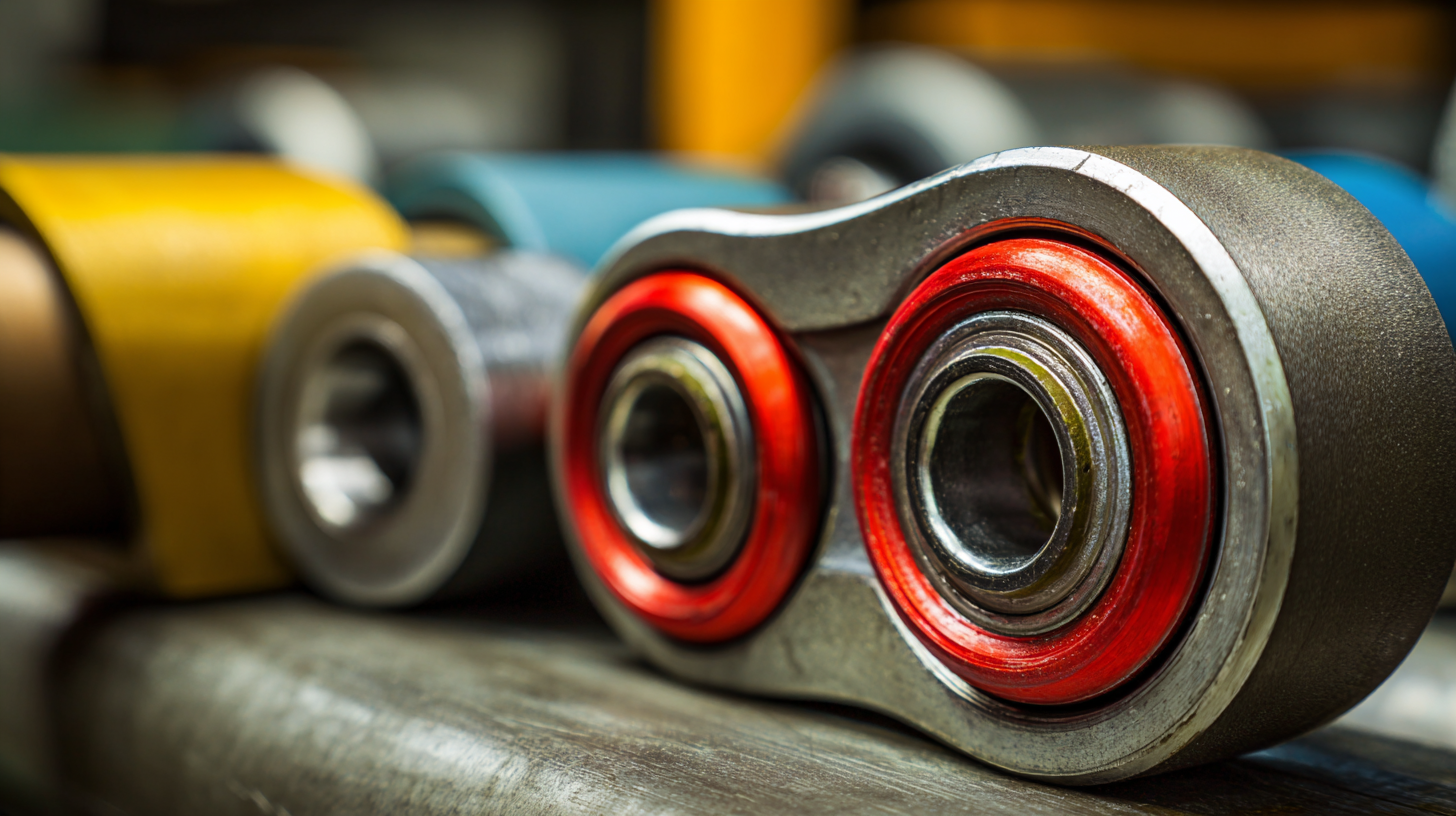
In the dynamic world of machinery and engineering, rod end bearings are pivotal components that significantly enhance performance and reliability. According to a recent industry report by MarketsandMarkets, the global rod end bearings market is projected to reach USD 1.5 billion by 2025, growing at a CAGR of 6.2%. This growth is driven by the increasing demand for advanced machinery across various sectors, including automotive, aerospace, and industrial machinery. Understanding the amazing attributes and benefits of rod end bearings not only sheds light on their crucial role in operations but also empowers manufacturers to optimize machinery performance and reduce downtime. In this blog, we will unveil seven remarkable facts about rod end bearings that can transform your machinery performance, highlighting their technical advantages and potential applications in modern engineering.
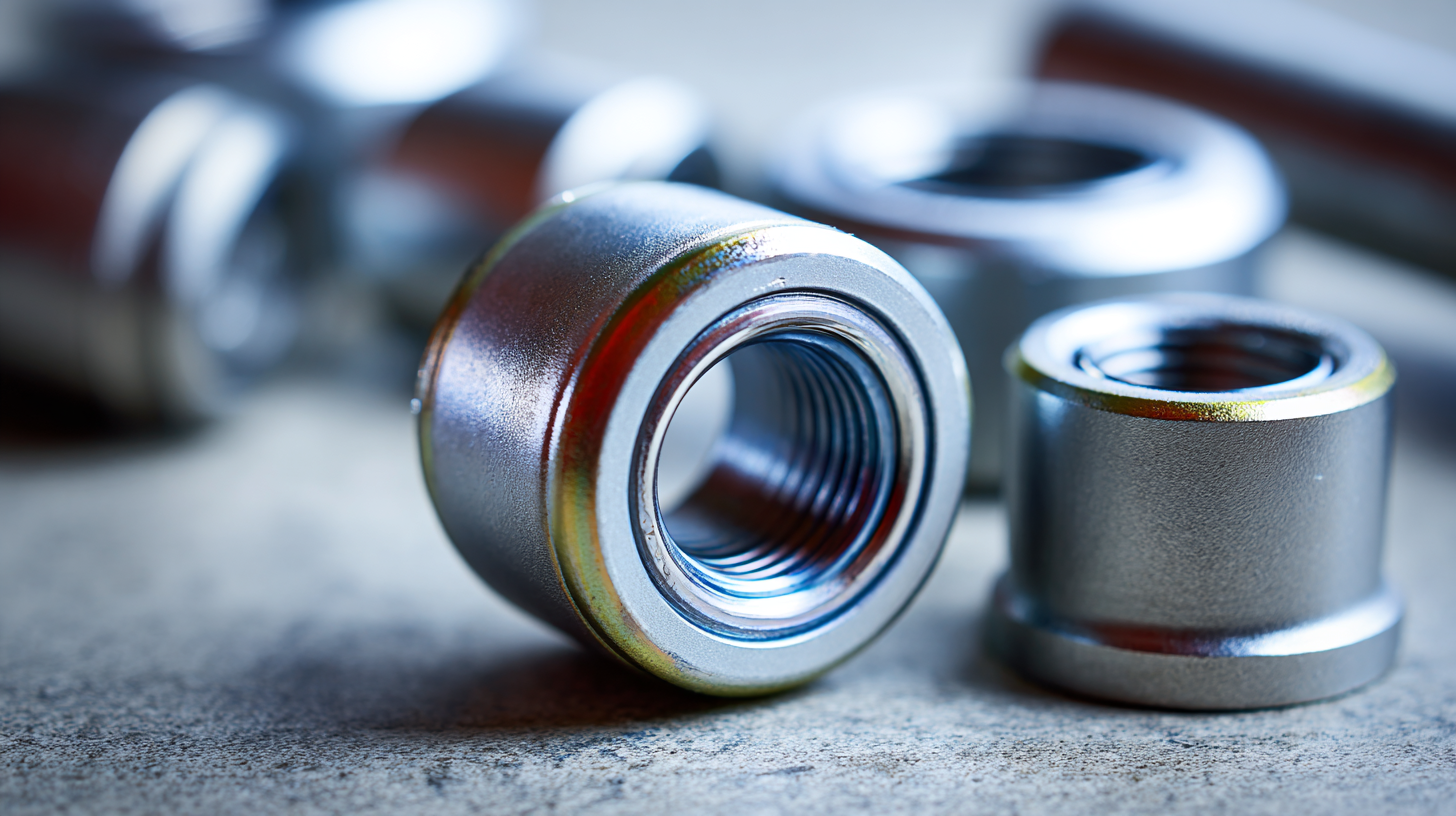
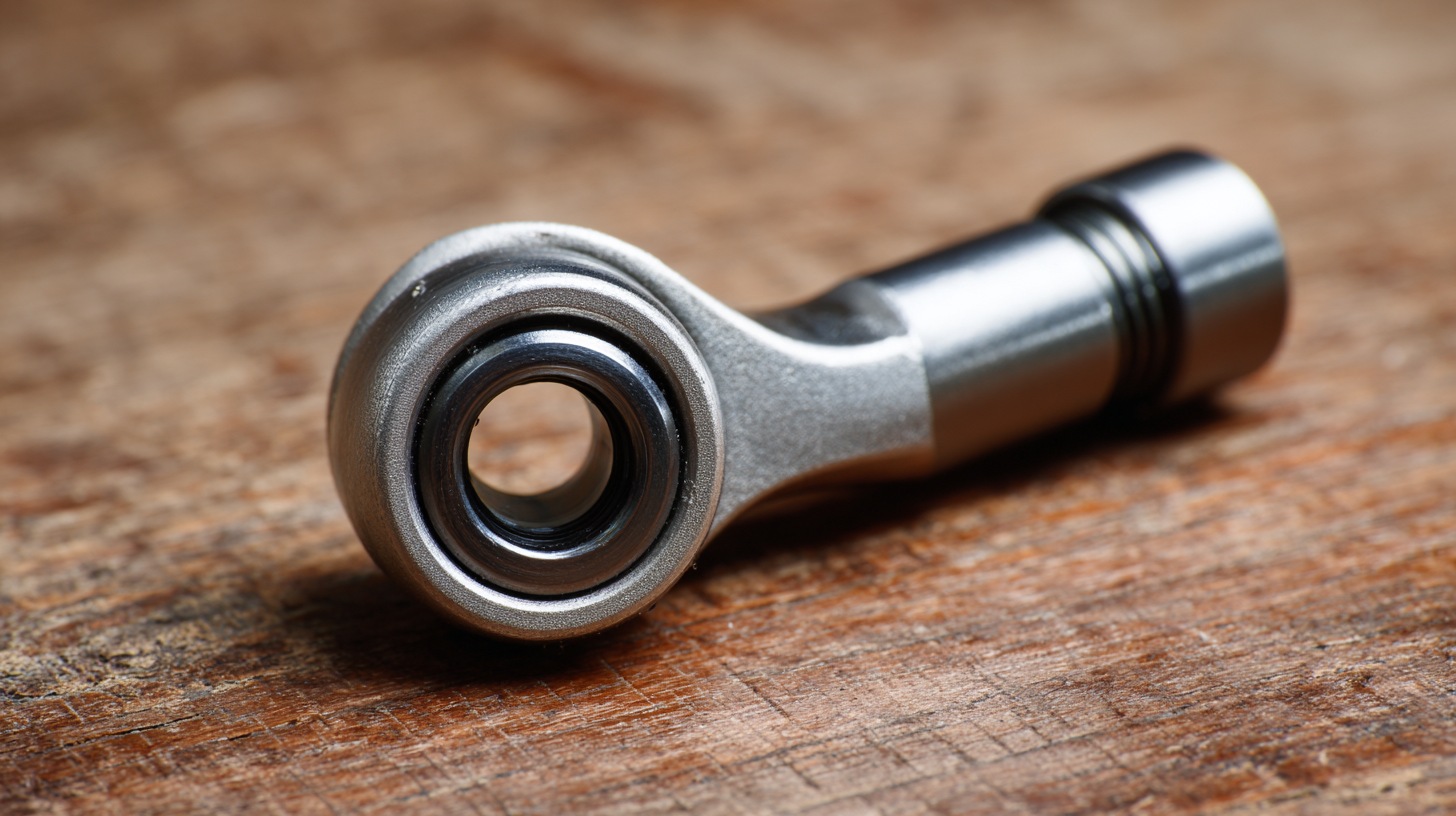
Rod end bearings are essential components in machinery, offering numerous benefits that significantly enhance performance. One of the primary advantages is their ability to accommodate misalignment. This feature is crucial in applications where the axis of the connecting link may not always be perfectly aligned. As a result, rod end bearings enable smoother motion and reduce wear and tear on machinery, thus extending their operational lifespan.
Another key benefit of using rod end bearings is their versatility. They can be utilized in various types of machinery, from automotive to aerospace applications. The growing global market for ball bearings indicates a rising demand for these components, expected to expand significantly over the coming years. This surge is attributed to the increasing focus on innovation and efficiency in manufacturing processes. As industries strive for higher productivity, incorporating rod end bearings can provide a competitive edge, ensuring equipment runs more smoothly and efficiently, ultimately leading to enhanced performance and reduced operational costs.
When it comes to enhancing machinery performance, rod end bearings play a pivotal role, and understanding their longevity features is crucial for operators and engineers alike. One of the key features that significantly enhance rod end bearing longevity is the material used in construction. Bearings made from high-grade materials, such as stainless steel or specialized composites, exhibit superior wear resistance, allowing them to withstand harsh operating environments. According to a report by the International Conference on Tribology, components crafted from these advanced materials can reduce friction and improve durability by up to 40%, ensuring longer life cycles and reduced maintenance costs.
Additionally, lubrication design is another critical factor contributing to bearing longevity. Employing bearings with self-lubricating capabilities can minimize the need for frequent maintenance, saving valuable operational hours. A study published in the Journal of Mechanical Engineering showed that self-lubricating bearings can outperform conventional types by providing consistent lubrication, which not only prevents overheating but also decreases the risk of failure under heavy loads. The incorporation of proper sealing mechanisms further protects against dirt and contaminants, thereby extending the lifespan of rod end bearings and enhancing overall machinery efficiency.
Rod end bearings, often regarded as unsung heroes in machinery, offer a myriad of benefits that can significantly enhance equipment efficiency. One way they improve performance is through their ability to accommodate misalignment. This feature allows machinery to operate smoothly, even when parts are not perfectly aligned, reducing wear and tear over time. Additionally, rod end bearings can handle both radial and axial loads, providing versatility and increasing the overall reliability of mechanical systems.
Moreover, the incorporation of rod end bearings can lead to reduced friction in moving parts. By minimizing resistance, machines can operate more efficiently, leading to lower energy consumption and extended operational lifespans. Their compact design also contributes to space-saving in equipment layouts, making them an ideal choice for a wide range of applications. Furthermore, with options available in different materials and coatings, rod end bearings can be tailored to withstand harsh environments, enhancing durability and performance in even the most demanding conditions.
Rod end bearings, often overlooked, play a critical role in modern engineering, pushing the boundaries of performance across various applications. One of the most innovative uses of rod end bearings is in robotic arms, which require precise and flexible movements. In a recent report by the Robotics Industry Association, it was noted that the integration of high-performance rod end bearings can enhance the positional accuracy of robotic joints by up to 30%, ultimately increasing the efficiency of automated processes.
Another groundbreaking application can be found in the aerospace sector, where rod end bearings are essential in controlling flight surfaces. According to the Aerospace Industries Association, bearings that comply with stringent weight and performance parameters are vital. Their lightweight yet robust design ensures that aircraft can maximize fuel efficiency without compromising safety.
For engineers looking to optimize performance, consider the following tips: First, choose rod end bearings that are specifically designed for the load requirements of your application—this can drastically improve lifespan and reliability. Second, ensure proper lubrication to reduce wear and enhance performance; even the best bearings will underperform without it. Finally, regularly inspect and maintain these components to identify wear early on, preventing costly downtime.
| Fact Number | Fact Description | Application Examples |
|---|---|---|
| 1 | Rod end bearings reduce friction and wear in machinery. | Used in automotive suspensions |
| 2 | They can accommodate angular misalignments. | Robotics and automation |
| 3 | Available in various materials for diverse environments. | Aerospace applications |
| 4 | They provide precise motion control in machinery. | CNC machines |
| 5 | Rod end bearings enhance load distribution. | Construction machinery |
| 6 | They are crucial in dynamic applications needing high reliability. | Marine equipment |
| 7 | Maintenance is usually minimal, leading to increased uptime. | Agricultural machinery |
| Application Area | Specific Use | Benefits |
|---|---|---|
| Aerospace | Control surfaces in aircraft | Improved flight stability |
| Automotive | Steering systems | Enhanced steering precision |
| Industrial Equipment | Conveyor systems | Reduced downtime due to less friction |
When it comes to rod end bearings, misinformation can lead to misconceptions that impede machinery performance. One prevalent myth is that rod end bearings are only suitable for lightweight applications. In reality, these bearings are designed to handle substantial loads and can perform exceptionally well in heavy-duty environments, thanks to their rugged construction and advanced materials.
Another common myth is that rod end bearings require constant lubrication to function effectively. While proper lubrication is important for any bearing, many modern rod end designs include self-lubricating features that significantly reduce maintenance needs. Additionally, there’s a belief that rod end bearings are prone to failure due to misalignment. However, their unique spherical design allows for a degree of angular misalignment, making them resilient and adaptable to various installation conditions. By debunking these myths, users can better appreciate the capabilities of rod end bearings, harnessing their full potential to enhance machinery performance.