Engineer's Toolbox Visit www.hansarobotics.com
Category Banner

2026 Top Safety Lockout Padlocks Which Type Is Best?

Choosing a lockout padlock can look like a small purchasing decision. On a busy maintenance floor, it is not. The right device must fit the isolation point, remain easy to identify, and withstand the conditions where workers use it. Safety Lockout Padlocks come in different body materials, shackle lengths, keying arrangements, and visibility options. Each detail can affect daily use. A long shackle may reach a distant hasp, while a compact body may fit a crowded panel. Color helps workers distinguish locks, but color alone should never carry the whole identification system.

This guide compares common padlock types and explains what to consider before selecting one for a lockout program. We look at nonconductive and metal bodies, standard and extended shackles, and keyed-different or keyed-alike systems. The best choice depends on the equipment, work environment, and procedures already in place. Check the lock’s fit, labels, key control, and resistance to expected heat, moisture, or wear. Then verify those details against the manufacturer’s specifications. Small checks matter.

There is no universal winner. A lock that works well on a valve may be awkward on an electrical enclosure. Product descriptions can also make differences sound clearer than they are. They are not always. A careful comparison helps teams choose padlocks that are practical, recognizable, and consistent with their site’s energy-control practices.
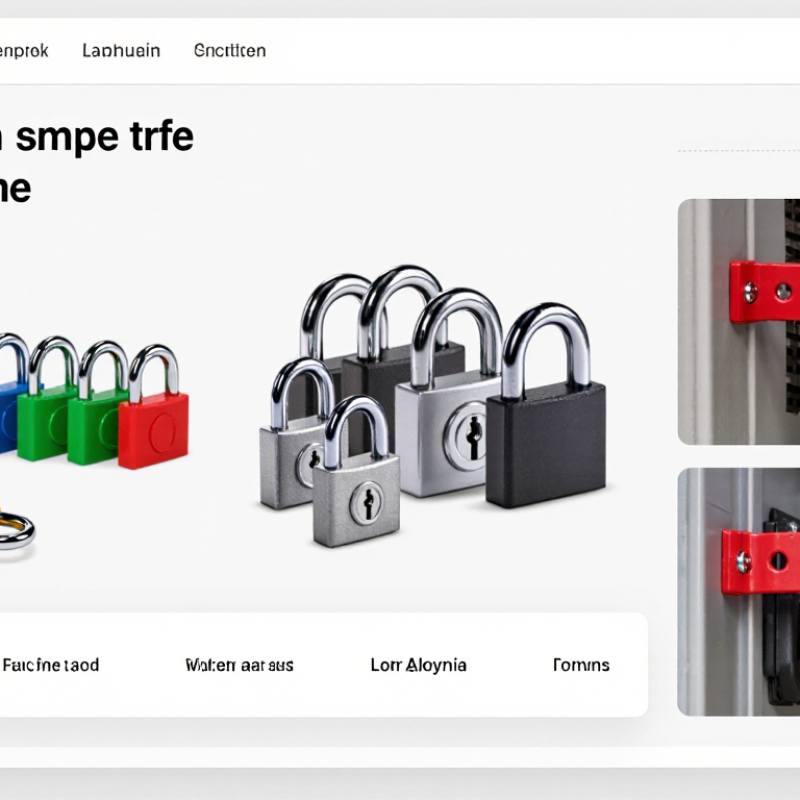
2026 Top Safety Lockout Padlocks Which Type Is Best?

What Safety Lockout Padlocks Are and How They Prevent Accidental Operation

A safety lockout padlock keeps an energy-isolating device in the off position while equipment is serviced. A worker attaches it to a breaker, valve, or lockout hasp, then keeps control of its key. This makes the lock personal: other workers should not remove it simply because a machine looks ready. A padlock is only one part of the process. Workers must identify energy sources, isolate them, and verify that hazardous energy is controlled before work begins. A quiet machine is not proof.

OSHA estimates that effective lockout/tagout practices prevent about 120 deaths and 50,000 injuries each year. That estimate appears in the agency’s Control of Hazardous Energy (Lockout/Tagout) guidance. It shows why a small lock can matter, but not why every lock works equally well. A suitable lock should be durable, identifiable, and appropriate for the work area. In practice, clear labels and a reliable key-control routine matter as much as color. Still, procedures can be misunderstood, especially during shift changes. A second check may feel repetitive. It is worth doing.

Which Types of Safety Lockout Padlocks Are Available in 2026

Safety lockout padlocks in 2026 come in several designs, each suited to different work areas. Nylon-bodied models resist electrical conductivity and suit many electrical maintenance tasks. Steel-bodied padlocks offer a tougher option for rough handling. Aluminum versions balance strength with lower weight. Choose carefully. Material alone does not make a lock suitable for every hazard.

Shackle length also matters. Short shackles fit crowded switchgear, while longer ones reach through larger hasps and valve devices. Keying options include keyed-different locks, where each worker holds a unique key, and keyed-alike sets for approved group procedures. Some models add dust covers or corrosion-resistant parts for outdoor equipment. OSHA estimates that effective hazardous-energy control could prevent about 120 fatalities and 50,000 injuries annually; its Control of Hazardous Energy guidance underscores why reliable locks and clear procedures matter. A lock is only one part of the system. In practice, teams may choose a convenient style and overlook glove use, poor visibility, or a cramped hasp. That deserves another look. The best type is the one workers can identify, apply, and verify consistently at the actual isolation point.

How to choose: Non-conductive nylon is often suitable where electrical isolation is important; stainless steel can be a good fit for corrosive environments. These indicative 1–5 ratings compare common material characteristics, not standardized test results. Check the specific padlock’s specifications and workplace requirements before selection.

How Safety Lockout Padlock Materials and Keying Systems Differ

A lockout padlock’s material should match the equipment and conditions around it. Nonconductive nylon bodies are commonly chosen near electrical hazards, while metal bodies can suit rough handling and outdoor use. Check the product’s stated ratings; appearance alone cannot confirm electrical suitability. A steel shackle resists cutting better than many lightweight options, but it may not fit every hasp or isolation point.

Fit matters. Measure the opening before ordering, and consider moisture, dust, chemicals, and temperature. Corrosion-resistant components may help in damp areas, though no material stays unaffected forever.

A small padlock placed in a crowded control cabinet can be awkward to use, even when its specifications look right.

Keying affects how workers manage access. Keyed-different locks give each padlock its own key, helping keep individual isolation points separate. Keyed-alike sets let one person use a single key across several locks, which can simplify a task but may weaken control if keys are shared carelessly.

Master-key systems add convenience for authorized oversight, yet require clear procedures and secure key storage. Keep one key per worker where the site procedure calls for it, and check whether the lock retains its key while open.

That detail is easy to miss. There is no universally best combination: choose a material and keying plan that fit the hazards, users, and actual isolation points.

How to Choose a Safety Lockout Padlock for Each Work Environment

2026 Top Safety Lockout Padlocks Which Type Is Best?

Choosing a safety lockout padlock starts with the work environment, not color. In site audits, I have seen bright locks used outdoors without checking corrosion resistance. For electrical cabinets, choose a nonconductive body and shackle. For maintenance rooms, a durable nylon or aluminum body can reduce daily wear. Chemical areas require materials tested against local solvents, oils, and cleaning agents. High-temperature zones need manufacturer-rated heat limits, not guesses.

Outdoor work demands sealed keyways, strong shackles, and clear identification after rain, dust, or sunlight exposure. Group lockout stations need one personal lock per authorized worker. A lock should remain under that worker’s control. OSHA’s Control of Hazardous Energy guidance reports that effective lockout/tagout practices can prevent about 120 fatalities and 50,000 injuries each year. ANSI/ASSP Z244.1 also emphasizes documented energy-control procedures and worker training. A padlock alone is never the complete control system.

Tips: Match the lock material to the hazard. Check shackle clearance before purchase. Use unique keys and permanent identification. Test visibility under poor lighting. Review the choice after a near miss. That uncomfortable review matters. A perfect selection is rare, and supervisors sometimes overlook humidity, glove thickness, or emergency access. Record those findings during periodic inspections, then revise the site’s lockout procedure when conditions change.

2026 Top Safety Lockout Padlocks: Which Type Is Best? How to Choose a Safety Lockout Padlock for Each Work Environment

Padlock Type Typical Construction Best-Suited Work Environment Key Advantages Limitations and Checks Selection Guidance
Nonconductive nylon-body lockout padlock Insulating polymer body, commonly paired with a metal shackle. Electrical maintenance, control panels, and general industrial lockout where reducing the chance of electrical conduction is important. Provides an insulating body and is commonly available in multiple colors for identification. The body does not make the metal shackle electrically safe. Confirm the equipment’s electrical isolation procedure and the lock’s stated ratings. Often a practical default for electrical lockout. Choose a shackle size that fits the isolation device without forcing or modifying it.
Aluminum-body lockout padlock Lightweight aluminum body with a metal shackle. Indoor manufacturing, maintenance areas, and applications where low weight and easy handling are useful. Lightweight and generally resistant to ordinary indoor wear. Aluminum is electrically conductive and may be less suitable for highly corrosive exposure than purpose-selected materials. Use where conductivity is not a concern and the exposure conditions match the manufacturer’s guidance.
Brass-body lockout padlock Brass body, usually with a metal shackle. Some damp or general industrial settings where corrosion resistance is a consideration. Brass offers useful corrosion resistance in many ordinary environments. Brass is electrically conductive; performance depends on the environment and the specific lock construction. Consider for compatible non-electrical applications. Do not treat a brass body as an electrical-insulation feature.
Stainless-steel-shackle padlock Lock body material varies; shackle is stainless steel. Outdoor, washdown, humid, or corrosive locations when the lock is specifically rated for those conditions. A stainless shackle can offer improved corrosion resistance compared with some standard steel shackles. Corrosion performance varies by alloy, finish, and exposure. A stainless shackle is not necessarily an insulated shackle. Check the complete lock’s corrosion guidance, not just the shackle material, and inspect it regularly for wear or binding.
Long-shackle lockout padlock Extended metal or insulated shackle, depending on the model. Isolation points with thicker hasps, recessed fittings, or components that require extra clearance. Provides additional reach where a standard shackle cannot pass through the intended lockout point. A longer shackle may increase leverage and may not fit compact devices securely. Measure the required clearance first. Use the shortest shackle that safely fits the lockout device.
Compact or short-shackle lockout padlock Small body with a short shackle; materials vary. Crowded panels, compact lockout hasps, and equipment with limited clearance. Fits many confined spaces and reduces excess shackle length. May not fit thick hasps or recessed isolation points; verify dimensions before purchase. Choose for close-fitting lockout points where the shackle can be fully engaged without strain.
Weather-resistant lockout padlock Construction varies; may include protective covers, corrosion-resistant components, or sealed features. Outdoor work, wet locations, or areas exposed to dust and changing weather. Designed to better tolerate specified environmental exposure than a standard indoor lock. “Weather-resistant” does not automatically mean waterproof, corrosion-proof, or suitable for every chemical exposure. Check the manufacturer’s stated environmental limits and maintain an inspection schedule appropriate to the exposure.

Selection essentials: Match the padlock to the lockout point, environment, and site procedure. Use a controlled key system—commonly one key per worker’s lock—and ensure each worker can apply and remove their own lock under the applicable energy-control procedure. A padlock is only one part of lockout/tagout; follow workplace rules and applicable regulations.

Which Safety Lockout Padlock Type Is Best for Your Application

2026 Top Safety Lockout Padlocks: Which Type Is Best?

Choosing the best safety lockout padlock depends on the application, not appearance. During equipment inspections, the lock must remain visible, durable, and easy to identify.

Nylon-body padlocks suit many indoor electrical isolation points because they resist impact and reduce conductivity concerns. Steel or aluminum bodies may perform better in harsh areas, exposed machinery, or demanding maintenance environments.

Shackle length also matters. A short shackle fits compact isolation devices, while a longer one reaches crowded valves or disconnect points.

Key management can change the whole system.

Keyed-different padlocks provide personal control for individual workers. Keyed-alike sets can simplify one worker’s multiple locks.

Group lockout work may require a controlled key process and clear identification. Do not select a master-key arrangement casually. It can weaken personal control if access rules are unclear.

A perfect choice does not exist. I have seen suitable locks fail because labels faded, shackles were too short, or storage exposed them to moisture.

Tips:

Match the lock body and shackle to the environment. Check temperature, dust, chemicals, and available space. Use durable labels with worker identification. Test a sample on the actual isolation device before ordering in quantity. Inspect locks regularly for corrosion, damaged keys, and difficult movement. Replace questionable units early. Small failures create large delays.